
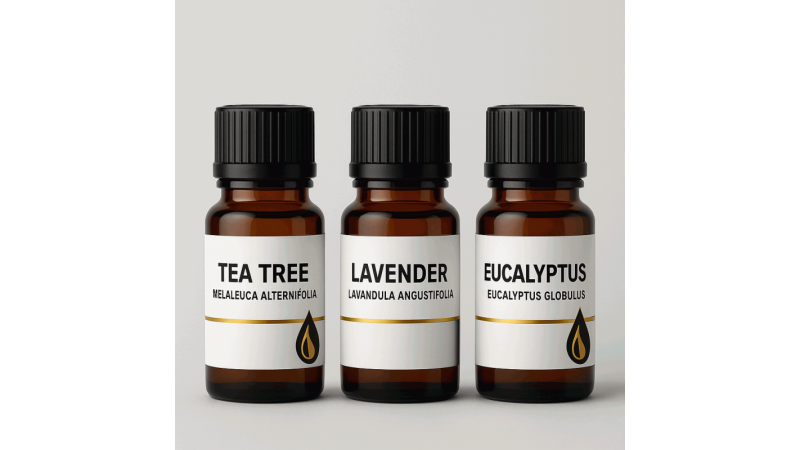

Health is our most valuable asset, and maintaining a strong immune system is a crucial part of staying well, especially in today’s world where exposure to viruses and bacteria is unavoidable. While a balanced diet, exercise, and adequate sleep are well-known pillars of immune support, another natural method gaining popularity is the use of essential oils. Extracted from plants, these concentrated oils have been used for centuries for their therapeutic properties, including boosting the body's defenses.
In this article, we will explore three essential oils renowned for their immune-enhancing effects, explain how they work, and provide tips on how to use them safely and effectively.
What Are Essential Oils?
Essential oils are highly concentrated plant extracts distilled from leaves, flowers, bark, roots, or other parts of plants. They capture the plant’s natural aroma and beneficial compounds, many of which have antimicrobial, antiviral, and anti-inflammatory properties. Essential oils are commonly used in aromatherapy and traditional medicine to support overall health and well-being.
Why Is Immune Health Important?
The immune system is the body’s defense mechanism against harmful invaders like viruses, bacteria, and other pathogens. A robust immune system can quickly detect and neutralize these threats, keeping us healthy. When immunity weakens, the body becomes more susceptible to infections and illnesses. Therefore, strengthening the immune system is essential for preventing disease and maintaining vitality.
3 Essential Oils That Boost Immune Health
1. Tea Tree Oil (Melaleuca alternifolia)
Tea tree oil is famous for its powerful antiseptic and antibacterial qualities. Extracted from the leaves of the Melaleuca tree native to Australia, it has been traditionally used to treat skin infections, respiratory issues, and more.
Immune-Boosting Benefits:
- Antiviral and antibacterial: Tea tree oil effectively fights a variety of infectious microbes.
- Anti-inflammatory: It helps reduce inflammation that can weaken immune responses.
- Immune activation: Stimulates immune cells to better respond to pathogens.
How to Use:
Diffuse tea tree oil in your living space or dilute it with a carrier oil (such as coconut oil) and apply it on the chest and neck area to support respiratory health.
2. Lavender Oil (Lavandula angustifolia)
Lavender oil is widely recognized for its calming scent and ability to reduce stress and anxiety. Since chronic stress can suppress the immune system, lavender indirectly supports immune health through relaxation.
Immune-Boosting Benefits:
- Stress reduction: Lowers cortisol levels, a stress hormone that can inhibit immune function.
- Mild antimicrobial effects: Helps combat minor infections.
- Improves sleep quality: Restorative sleep is essential for immune cell regeneration.
How to Use:
Add a few drops of lavender oil to a diffuser in your bedroom or mix it into your bathwater before sleep for maximum relaxation and immune support.
3. Eucalyptus Oil (Eucalyptus globulus)
Eucalyptus oil is known for its fresh, invigorating aroma and its ability to open airways. It is extracted from the leaves of the eucalyptus tree and is widely used for respiratory and immune support.
Immune-Boosting Benefits:
- Antiviral and antibacterial: Helps fight viruses and bacteria causing respiratory infections.
- Supports respiratory health: Clears nasal passages and improves oxygen intake.
- Anti-inflammatory: Reduces inflammation that can challenge immune defenses.
How to Use:
Diffuse eucalyptus oil in the room or dilute it with a carrier oil and apply it to the chest and neck for relief from congestion and to promote easier breathing.
Safety Tips for Using Essential Oils
While essential oils provide many health benefits, safe usage is important to avoid adverse reactions such as skin irritation or allergic responses. Here are some safety guidelines:
- Always dilute essential oils with a carrier oil before applying them to the skin, especially for sensitive skin types.
- Perform a patch test by applying a small amount of diluted oil to a small skin area to check for any allergic reaction.
- Avoid use on young children, pregnant women, or individuals with certain medical conditions unless advised by a healthcare professional.
- Use diffusers in well-ventilated areas and avoid direct, concentrated inhalation.
- Store essential oils in a cool, dark place to maintain their potency and shelf life.
Conclusion
Tea tree, lavender, and eucalyptus essential oils offer natural, effective ways to support and strengthen the immune system. Their antiviral, antibacterial, and anti-inflammatory properties make them valuable allies in maintaining health, especially when combined with a healthy lifestyle that includes balanced nutrition, regular exercise, and adequate rest.


Leave Your Comment