
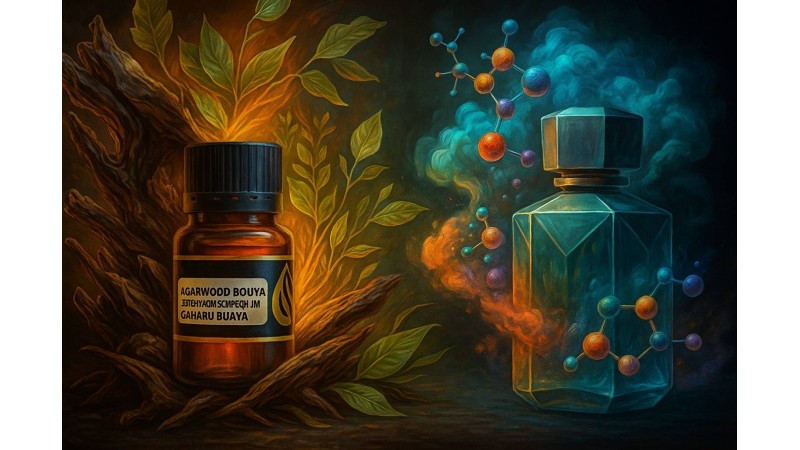

Aroma is an inseparable part of our lives. It can evoke memories, change our mood, and even define our personality. In the world of fragrances, there are two dominant camps: synthetic perfumes that dominate the global market and natural essential oils like agarwood oil that are reclaiming their place in the hearts of true fragrance lovers.
But do you know the fundamental difference between the two? More than just a scent, your choice has a significant impact on your personal health and the environment. Let's explore why natural agarwood oil is a smarter, more holistic choice for your healthy lifestyle.
The Battle of Composition: Man-Made Molecules vs. Nature's Gift
The biggest difference between synthetic perfume and agarwood oil lies in their raw materials. This is a battle between modern chemistry and the wonders of nature.
Synthetic Perfume: A Blend of Chemical Molecules
The majority of commercial perfumes we find on the market are made from a complex mixture of synthetic chemicals. Created in a laboratory, these compounds are designed to mimic the aromas of natural ingredients or to create new fragrances not found in nature.
-
Raw Materials: Derived from petrochemicals, such as benzaldehyde for an almond scent, or ethyl acetate for a fruity aroma. These ingredients often contain phthalates and parabens, two compounds that have been a subject of health concerns.
-
Process: Trial and error in a lab to create stable aroma molecules that can be mass-produced at a low cost.
Agarwood Oil: The Pure Essence of a Rare Wood
In contrast, agarwood oil is a 100% pure extract from agarwood (Aetoxylon sympetalum or Agarwood Buaya is a great example). This oil does not go through a synthetic process; instead, it is traditionally extracted.
-
Raw Materials: Only one ingredient—the resin naturally formed inside agarwood as a response to a fungal infection. This process takes decades, even centuries.
-
Process: The traditional steam distillation method, where hot steam passes through agarwood chips, producing a rich and complex essential oil. Every drop is a pure essence without any added chemicals.
It's important to note that DDistillers products, like Agarwood Bouya Oil, are a perfect example of pure agarwood oil produced using traditional methods, ensuring its authenticity and quality.
Impact on Health: A Healing Scent vs. Potential Risks
This is the main reason why more and more people are switching to natural fragrances. The health impact of synthetic perfumes cannot be ignored.
The Hidden Dangers Behind a Pleasant Scent
Despite their pleasing aroma, synthetic perfumes can trigger health issues in some people. Here are some common risks:
-
Allergies and Skin Irritation: Chemical compounds in perfumes can cause rashes, itching, or contact dermatitis on sensitive skin.
-
Hormonal Disruption: Some studies suggest a link between phthalates and endocrine disruption, which can affect the hormonal system. Phthalates are often used to make scents last longer.
-
Respiratory Problems: An overly strong scent from synthetic perfumes can trigger headaches, migraines, and worsen respiratory conditions like asthma.
Agarwood Oil: More Than Just a Scent, It's Aromatherapy
Agarwood oil doesn't just serve as a fragrance; it also has therapeutic benefits. Its natural properties make it safe and even beneficial for the body and mind.
-
Relaxation and Stress Reduction: The warm and woody aroma of agarwood has a deeply calming effect. Its use in a diffuser or during meditation can help relieve anxiety and promote a sense of tranquility.
-
Anti-inflammatory Properties: Initial studies show that some compounds in agarwood oil have anti-inflammatory properties, making it a potential ingredient in skincare products.
-
Skin-Safe: Because it does not contain harmful chemicals like phthalates and parabens, agarwood oil (when diluted) is much safer to apply to the skin.
Sustainability: A Choice That's Kind to the Planet
In an era where environmental issues are so critical, our product choices reflect our commitment to the earth.
The Carbon Footprint of Synthetic Production
The production of synthetic perfumes relies on the petrochemical industry, known as one of the largest contributors to carbon emissions. The manufacturing process also produces chemical waste that can pollute the environment.
Agarwood Oil and the Environment
The process of making agarwood oil from Agarwood Buaya wood, for example, is much more eco-friendly. The steam distillation process does not produce harmful waste. Furthermore, sustainable farming practices and the replanting of agarwood trees by producers like PT Syailendra Bumi Investama (DDistillers) ensure that natural resources are preserved.
Conclusion: Which is the Best Choice for You?
Choosing between agarwood oil and synthetic perfume is not just about scent preference; it's also about the values you embrace. If you are looking for a fragrance that is:
-
Made from 100% natural ingredients
-
Provides therapeutic benefits
-
Is safe for your personal health
-
Supports environmental sustainability
Then, agarwood oil is the right answer. DDistillers proudly presents Agarwood Bouya Oil as the embodiment of this commitment—an elegant, safe, and responsible fragrance choice.
It's time to move beyond just scent, towards true wellness—one drop of natural fragrance at a time.


Leave Your Comment