
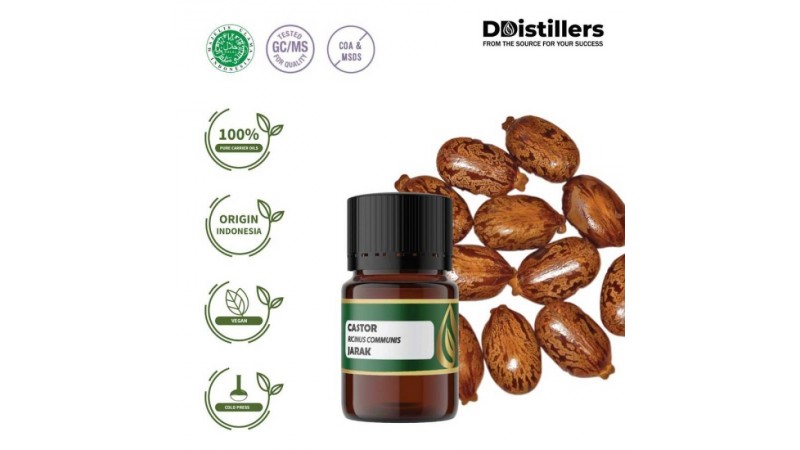

Castor oil, derived from the castor plant (Ricinus communis), is a valuable essential oil widely used in pharmaceutical, cosmetic, and chemical industries. In Indonesia, the cultivation of castor plants has started to gain traction due to its economic potential and the significant benefits of castor oil.
If you are interested in venturing into castor cultivation as a business or agricultural pursuit, this guide will provide you with comprehensive information from plant introduction and cultivation techniques to harvesting and oil processing.
Understanding the Castor Plant and Its Essential Oil
The castor plant thrives in tropical climates like Indonesia’s. It is primarily known for its seeds, which contain castor oil a valuable essential oil extracted from castor seeds. This oil has numerous applications, including as a laxative, lubricant, cosmetic ingredient, and raw material for biodiesel production.
Castor oil is rich in ricinoleic acid, a unique fatty acid that gives the oil a high viscosity and natural solvent properties. Because of its versatility, global demand for castor oil continues to rise, especially in industrial and health sectors.
Preparing the Land for Castor Cultivation
Proper land preparation is crucial to ensure optimal growth of castor plants. Here are key considerations:
1. Location Selection
Castor can grow on various soil types, but fertile soil with good drainage is recommended. Sandy loam soil with a pH between 6 and 7 is ideal. Choose a location that receives full sunlight for at least six hours a day.
2. Soil Preparation
Plow and loosen the soil to a depth of 20-30 cm. Remove weeds and plant residues to prevent competition for nutrients with the castor plants.
3. Base Fertilization
Apply organic matter such as compost or manure to enhance soil fertility. Additionally, provide chemical fertilizers like NPK at recommended doses to support early plant growth.
Castor Planting Techniques
1. Seed Selection
Choose high-quality castor seeds that are disease-free and have high germination rates. Healthy seeds produce strong and productive plants.
2. Planting Method
Castor can be planted directly by sowing seeds into the field or by using seedlings raised in nurseries. If using seedlings, sow seeds in polybags or seedbeds and transplant when seedlings are 3-4 weeks old.
Plant with spacing of approximately 1.5 meters by 1.5 meters to give adequate room for growth.
3. Planting Time
The ideal planting time is at the beginning of the rainy season to ensure sufficient water supply. In Indonesia, this is typically between October and December.
Caring for Castor Plants
1. Watering
Castor plants require adequate moisture, especially during early growth stages. Water regularly, particularly during dry spells.
2. Weed Control
Regularly remove weeds around the plants to prevent competition for nutrients and water.
3. Fertilizer Application
Apply additional NPK fertilizer 2-3 times during the growth period, particularly when the plants start flowering and seed formation.
4. Pest and Disease Management
Castor plants are relatively pest-resistant, but diseases such as fungal infections or caterpillar attacks can occur. Use organic or chemical pesticides as needed, following recommended dosages to avoid damaging the plants.
Harvesting and Processing Castor Oil
1. Harvesting
Castor plants are typically ready for harvest 4 to 6 months after planting. Signs of maturity include seeds turning dark brown and the seed pods drying and splitting easily.
Harvest manually or with special tools. After harvesting, dry the seeds to reduce moisture content, preparing them for oil extraction.
2. Oil Extraction
Castor oil can be extracted using methods such as cold pressing or solvent extraction. Cold pressing is preferred to produce high-quality oil without chemical additives.
The extracted oil is then filtered and stored in airtight, dark containers to maintain its quality.
Benefits and Economic Potential of Castor Oil
Castor oil offers many benefits, especially in health and industry. It is used as a natural laxative and cosmetic ingredient for skin and hair care.
Economically, castor cultivation presents a promising business opportunity due to increasing global demand. With proper cultivation techniques, farmers can achieve optimal yields and profitable income.
Tips for Successful Castor Cultivation in Indonesia
- Select superior seeds adapted to local climate.
- Prepare land and apply fertilizers properly.
- Maintain soil moisture, especially during early growth.
- Control pests and diseases regularly.
- Harvest at the right time to obtain the best seed quality.
- Use environmentally friendly extraction methods to produce quality oil.
Conclusion
Castor cultivation in Indonesia holds great potential due to the high value of its essential oil and its demand across industries. By following this comprehensive guide from land preparation and planting to care and harvesting you can maximize yield and oil quality.
If you are interested in starting castor farming, prepare thoroughly and maintain consistent care. This not only promises economic benefits but also contributes to sustainable natural resource development in Indonesia.


Leave Your Comment