
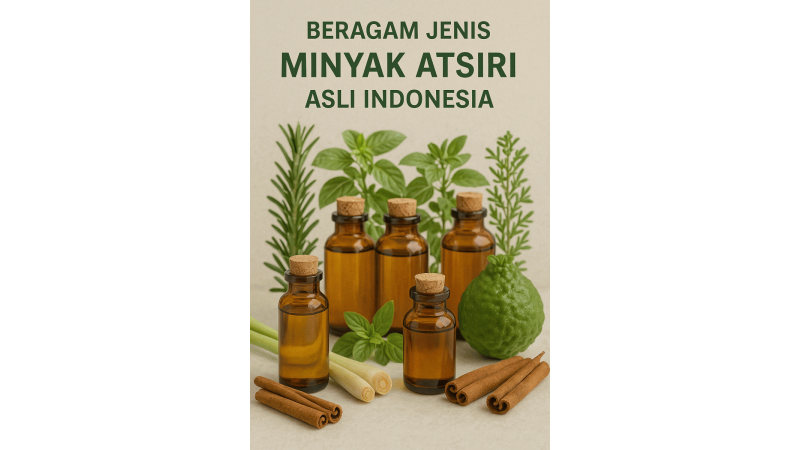

Indonesia, an archipelago renowned for its rich biodiversity and cultural heritage, is also home to a vast array of essential oils derived from its native plants. These oils, known as "minyak atsiri" in Indonesian, have been treasured for centuries not only for their aromatic qualities but also for their therapeutic and medicinal properties.
This article delves into the diverse types of authentic Indonesian essential oils, highlighting their unique characteristics and health benefits.
What Are Essential Oils?
Essential oils are concentrated extracts obtained from various parts of plants including leaves, flowers, bark, roots, and seeds through processes such as steam distillation or cold pressing. They capture the plant’s scent and beneficial compounds, making them widely used in aromatherapy, cosmetics, traditional medicine, and even food flavoring.
Indonesia’s tropical climate and fertile soils create an ideal environment for cultivating a variety of aromatic plants. The country ranks among the world’s leading producers of several essential oils, many of which are prized globally for their purity and potency.
1. Patchouli Oil (Pogostemon cablin)
Patchouli oil is one of Indonesia’s most famous essential oils, especially from the island of Java. It has a deep, earthy aroma with sweet and spicy undertones. Traditionally, patchouli oil has been used in Indonesian culture for perfumery and spiritual rituals.
Benefits:
- Skin Care: Known for its anti-inflammatory and antiseptic properties, patchouli oil helps in treating acne, eczema, and other skin conditions.
- Mood Enhancer: It is believed to reduce anxiety and depression by promoting relaxation when used in aromatherapy.
- Insect Repellent: Patchouli oil is a natural insect deterrent, often used in natural bug sprays.
2. Clove Oil (Syzygium aromaticum)
Clove oil, extracted from the dried flower buds of the clove tree, is another essential oil native to Indonesia. The island of Ternate in the Maluku Islands is historically famous for its clove production.
Benefits:
- Dental Health: Clove oil is widely used to relieve toothache and dental infections due to its analgesic and antiseptic properties.
- Digestive Aid: It has been traditionally used to alleviate digestive issues such as bloating and nausea.
- Antimicrobial: Its strong antimicrobial properties make it effective against various pathogens.
3. Nutmeg Oil (Myristica fragrans)
Originating from the Banda Islands, nutmeg oil is derived from the seeds of the nutmeg tree. It has a warm, spicy scent with a hint of sweetness.
Benefits:
- Pain Relief: Nutmeg oil is used to relieve muscle and joint pain, often employed in massage therapy.
- Digestive Health: It helps stimulate digestion and reduce gas and cramps.
- Sleep Aid: The oil is known for its calming effects, helping improve sleep quality.
4. Cinnamon Oil (Cinnamomum verum)
Cinnamon oil from Indonesia, especially from Sumatra, is prized for its warm, sweet, and spicy fragrance. It is extracted from the bark of the cinnamon tree.
Benefits:
- Antioxidant: Cinnamon oil is rich in antioxidants, which help protect cells from damage.
- Blood Sugar Regulation: Some studies suggest it can help regulate blood sugar levels.
- Antibacterial: It is effective against bacteria and fungi, supporting skin health and wound healing.
5. Ginger Oil (Zingiber officinale)
Ginger oil, derived from the rhizomes of the ginger plant, is widely used in Indonesia for its invigorating scent and therapeutic properties.
Benefits:
- Anti-inflammatory: It reduces inflammation and pain, especially in muscles and joints.
- Digestive Support: Ginger oil is commonly used to relieve nausea, indigestion, and motion sickness.
- Immune Booster: It helps strengthen the immune system, aiding in the prevention of colds and flu.
6. Lemongrass Oil (Cymbopogon citratus)
Lemongrass is abundant in Indonesia and its essential oil is well-known for its fresh, citrusy aroma.
Benefits:
- Antimicrobial and Antifungal: Lemongrass oil helps fight infections and supports skin health.
- Stress Relief: Its refreshing scent is used in aromatherapy to reduce anxiety and promote relaxation.
- Insect Repellent: Like patchouli, lemongrass oil is an effective natural insect deterrent.
7. Sandalwood Oil (Santalum album)
Sandalwood oil, though more commonly associated with India, is also produced in parts of Indonesia. It is revered for its rich, woody fragrance.
Benefits:
- Calming Effects: Sandalwood oil promotes mental clarity and relaxation, making it popular in meditation.
- Skin Care: It has moisturizing and anti-aging properties, beneficial for dry and sensitive skin.
- Anti-inflammatory: The oil can soothe skin irritations and reduce redness.
The Cultural Significance of Indonesian Essential Oils
Beyond their health and aromatic benefits, essential oils in Indonesia hold deep cultural importance. They are integral to traditional ceremonies, rituals, and local customs. Many indigenous communities use these oils in holistic healing practices passed down through generations, underscoring the harmonious relationship between nature and culture.
Economic Impact and Sustainable Practices
The production of essential oils contributes significantly to local economies, especially in rural areas. Indonesia’s essential oil industry supports thousands of farmers and distillers. However, sustainability remains a critical concern. Efforts are underway to promote environmentally friendly cultivation and harvesting methods to preserve Indonesia’s rich flora for future generations.
How to Use Indonesian Essential Oils Safely
While essential oils offer many benefits, proper usage is essential to avoid adverse effects:
- Always dilute essential oils with a carrier oil before applying to the skin.
- Avoid ingestion unless under professional guidance.
- Conduct a patch test to check for allergic reactions.
- Consult with a healthcare provider if pregnant, nursing, or having underlying health conditions.
Conclusion
Indonesia’s authentic essential oils offer a fascinating glimpse into the country’s botanical wealth and traditional wisdom. From the earthy aroma of patchouli to the spicy warmth of clove and nutmeg, each oil carries unique properties that enrich health, wellness, and cultural heritage. Embracing these natural treasures not only benefits individual well-being but also supports sustainable practices that honor Indonesia’s extraordinary natural environment.
Exploring and appreciating the diverse essential oils of Indonesia invites us to connect more deeply with nature’s gifts and the time-honored traditions that celebrate them.


Leave Your Comment