

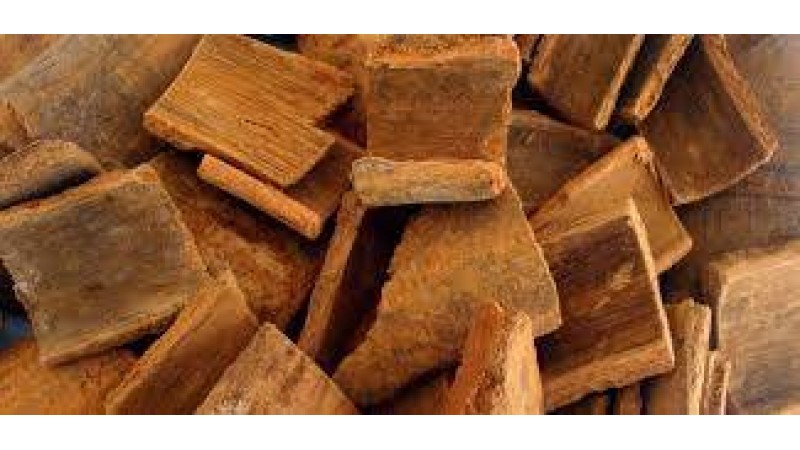

Indonesia is renowned for its rich natural resources, especially in spices and essential oils. One of the unique and economically valuable essential oils is massoia bark oil. This oil is extracted from the bark of the massoia tree, which grows in tropical regions including Indonesia.
This article explores the history, characteristics, and diverse uses of massoia bark essential oil, which is increasingly popular across various industries ranging from perfumery to traditional medicine.
What is Massoia Bark Essential Oil?
Massoia bark essential oil is obtained from the bark of the massoia tree (Cryptocarya massoia), which is commonly found in Papua and parts of Maluku. The oil is extracted through steam distillation of the tree’s bark. This oil is known for its sweet, fragrant, and slightly creamy aroma that sets it apart from other essential oils.
The History of Massoia Bark Oil in Indonesia
The use of massoia bark oil has long been known by indigenous communities in Papua and surrounding areas. They traditionally used the bark for various purposes including as a fragrance and in herbal medicine. During the colonial era, this oil gained international recognition through the spice trade in Indonesia.
With technological advances, Indonesia’s essential oil industry began to optimize massoia bark oil production. Today, Indonesia is one of the main producers of massoia bark oil, exporting it worldwide for use in perfumery, cosmetics, and pharmaceuticals.
Characteristics of Massoia Bark Essential Oil
Massoia bark oil has distinctive features that make it special:
- Aroma: It has a sweet, soft, and creamy scent with woody and vanilla undertones. This aroma is ideal as a base note in perfumes and aromatherapy products.
- Color: The oil typically ranges from pale yellow to golden yellow.
- Chemical Composition: The oil contains key compounds such as lactones (notably massoialactone), which give it its characteristic aroma and therapeutic properties.
- Physical Properties: The oil has a somewhat thick consistency and remains stable when blended into perfumes or cosmetics.
Uses of Massoia Bark Essential Oil
Massoia bark essential oil has a wide range of applications, particularly in the following industries:
1. Perfumery Industry
Massoia bark oil is highly favored in the perfume industry for its unique and long-lasting aroma. It is often used as a base note, providing a warm and creamy impression that enriches the fragrance composition. Many high-end perfumes rely on massoia oil to create an elegant and luxurious scent.
2. Cosmetic Products
In cosmetics, massoia bark oil is used as a natural fragrance ingredient in lotions, facial creams, soaps, and other products. Additionally, it has mild anti-inflammatory and antibacterial properties, which help maintain healthy skin.
3. Aromatherapy
The calming scent of massoia oil is commonly used in aromatherapy products aimed at relaxation and stress reduction. It helps create a comfortable and soothing atmosphere.
4. Pharmaceutical and Traditional Medicine
Massoia oil possesses antimicrobial and anti-inflammatory qualities, making it useful in traditional remedies. Some indigenous communities in Papua still use it to treat wounds, skin infections, and respiratory issues.
5. Food and Beverage Industry
Although in limited quantities, massoia oil is used as a flavoring and fragrance agent in the food and beverage industry, especially in products requiring a creamy, vanilla-like aroma.
Production Process of Massoia Bark Essential Oil
The production of massoia bark oil involves several critical steps:
- Harvesting Bark: The bark is selectively harvested from mature trees to prevent environmental damage.
- Drying: The bark is dried to reduce moisture content before extraction.
- Steam Distillation: The dried bark undergoes steam distillation to extract the essential oil.
- Purification and Storage: The extracted oil is filtered and stored in dark containers to preserve quality.
Potential and Challenges for Massoia Bark Oil Development in Indonesia
Indonesia has significant potential to expand its massoia bark oil industry due to abundant natural resources, especially in Papua. However, several challenges need to be addressed:
- Resource Management: Sustainable harvesting practices are essential to preserve massoia tree populations.
- Production Technology: Modern and efficient distillation technology is needed to produce high-quality oil.
- Marketing and Branding: Strong marketing strategies are necessary to promote Indonesian massoia oil globally and increase local product value.
- Research and Development: Further research is required to maximize the benefits and applications of massoia oil in various industries.
Conclusion
Massoia bark essential oil is one of Indonesia’s natural treasures with high economic and cultural value. Its distinctive sweet and creamy aroma has been traditionally used by local communities and is now increasingly sought after by the perfume, cosmetic, and pharmaceutical industries worldwide. Proper management and technological support can help Indonesia maximize the benefits of massoia bark oil, contributing to local economies while preserving the environment.
With the right research, marketing, and sustainable practices, massoia bark oil can become one of Indonesia’s flagship products in the global essential oil market. Its uniqueness and quality are sure to attract international interest, strengthening Indonesia’s position as a producer of premium essential oils.


Leave Your Comment