
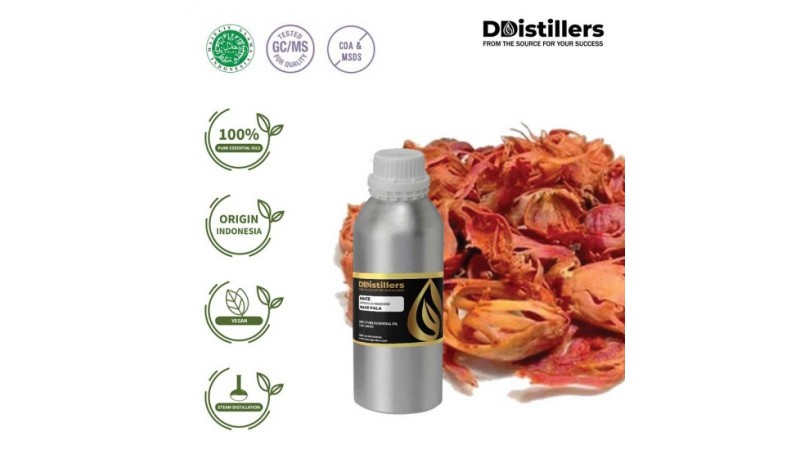

Nutmeg mace oil, derived from the aril (the lacy covering) of the nutmeg seed (Myristica fragrans), is a precious essential oil that has been valued for centuries for its unique aroma and therapeutic properties. While nutmeg itself is widely known, its mace the reddish, lace-like covering around the seed also holds significant health benefits and is increasingly used in traditional medicine, aromatherapy, and natural health products.
This article explores the various health benefits of nutmeg mace oil, its chemical composition, traditional uses, and precautions related to its use.
What Is Nutmeg Mace Oil?
Nutmeg mace oil is an essential oil extracted from the mace, which is the outer coating surrounding the nutmeg seed. The oil is obtained primarily through steam distillation of dried mace. It has a warm, spicy, and slightly sweet aroma, making it a popular ingredient in perfumery and aromatherapy.
Chemically, nutmeg mace oil contains active compounds such as myristicin, elemicin, eugenol, safrole, and various terpenes. These constituents contribute to its aromatic and medicinal properties, including anti-inflammatory, antimicrobial, and analgesic effects.
Traditional and Modern Uses of Nutmeg Mace Oil
Historically, nutmeg mace and its oil have played a role in traditional medicine systems, including Ayurveda and traditional Chinese medicine. It has been used to treat digestive issues, respiratory ailments, and pain relief.
In modern times, nutmeg mace oil is incorporated into essential oil blends, natural remedies, and cosmetic products, valued for both its fragrance and therapeutic qualities.
Health Benefits of Nutmeg Mace Oil
1. Relieves Digestive Discomfort
One of the primary traditional uses of nutmeg mace oil is to alleviate digestive problems. It can help reduce bloating, gas, indigestion, and stomach cramps. The oil stimulates the digestive system and promotes the secretion of digestive enzymes, aiding in more efficient digestion.
How to use: Dilute nutmeg mace oil with a carrier oil (like coconut oil) and massage gently on the abdomen to relieve digestive discomfort.
2. Anti-Inflammatory Effects
Nutmeg mace oil contains compounds with potent anti-inflammatory properties that can help reduce inflammation in the body. This makes it useful for conditions such as arthritis, muscle pain, and joint stiffness.
How to use: Use diluted nutmeg mace oil in topical applications or as part of massage oils to soothe inflamed muscles and joints.
3. Antimicrobial and Antifungal Properties
The oil exhibits antimicrobial activity against various bacteria and fungi, making it useful in supporting skin health and preventing infections. It has been used traditionally to treat skin conditions like acne and fungal infections.
How to use: Add diluted nutmeg mace oil to skincare products or use it in aromatherapy diffusers to purify the air.
4. Pain Relief
Nutmeg mace oil has analgesic properties that help alleviate pain. It can be applied topically to reduce headaches, muscle aches, and toothaches, offering a natural alternative to synthetic painkillers.
5. Promotes Mental Clarity and Reduces Stress
In aromatherapy, nutmeg mace oil is valued for its uplifting and calming effects. Its warm and spicy aroma can help reduce anxiety, improve mood, and enhance mental focus.
How to use: Diffuse nutmeg mace oil in a room or add a few drops to a warm bath for relaxation.
6. Supports Respiratory Health
The oil has expectorant properties that can help clear congestion in the respiratory tract. It may relieve symptoms of coughs, colds, and bronchitis by loosening mucus and soothing inflamed airways.
7. Skin Health and Anti-Aging
Rich in antioxidants, nutmeg mace oil helps protect the skin from oxidative damage caused by free radicals. Regular topical use can improve skin tone, reduce the appearance of wrinkles, and promote a youthful complexion.
Precautions and Safety Tips
While nutmeg mace oil offers many health benefits, it should be used with caution:
- Always dilute the oil with a carrier oil before applying it to the skin to avoid irritation.
- Avoid internal consumption unless under professional guidance, as high doses can be toxic.
- Perform a patch test before topical use to ensure there is no allergic reaction or irritation.


Leave Your Comment