
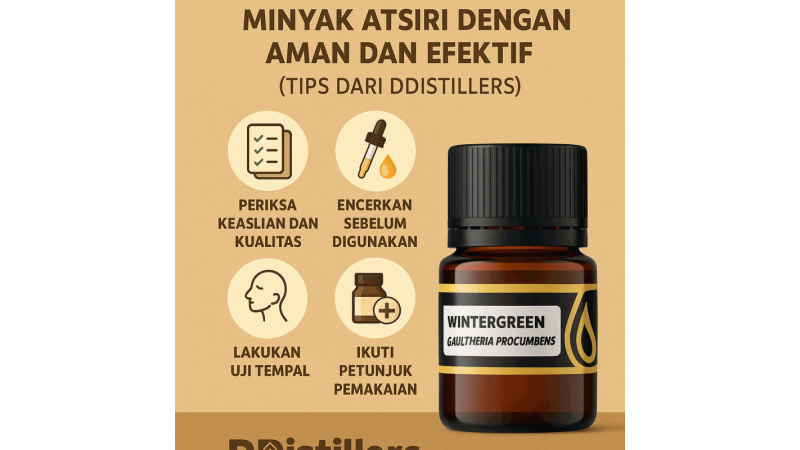

Essential oils have surged in popularity as a natural solution for various needs, ranging from aromatherapy to skincare. However, improper use can pose health risks. Therefore, understanding how to select and utilize essential oils safely and effectively is crucial. In this article, DDistillers will provide a comprehensive guide to maximize the benefits of essential oils without experiencing adverse effects.
Understanding Essential Oils
Essential oils are concentrated plant extracts obtained through steam distillation, cold-pressing, or solvent extraction. The extracted plant parts can include flowers, leaves, bark, roots, or resins. This process yields oils rich in aromatic and therapeutic compounds. Essential oils have been used for centuries across various cultures in traditional medicine, religious rituals, and perfumery.
Why Choosing Quality Essential Oils Matters
The quality of an essential oil significantly impacts its effectiveness and safety. Low-quality essential oils often contain chemical additives, solvents, or carrier oils that can diminish therapeutic benefits and increase the risk of irritation or allergies. Here's why you should always opt for high-quality essential oils:
- Higher Efficacy: Pure essential oils contain higher concentrations of active compounds, resulting in stronger therapeutic effects.
- Guaranteed Safety: Quality essential oils are free from harmful chemicals that can cause irritation, allergies, or other adverse reactions.
- Purer Aroma: Pure essential oils possess more complex and natural aromas, providing a more enjoyable aromatherapy experience.
- Long-Term Benefits: Regular use of high-quality essential oils can provide long-term health benefits without the risk of harmful side effects.
Tips for Choosing Quality Essential Oils from DDistillers
Selecting quality essential oils requires careful attention, but with the right guidance, you can obtain safe and effective products. Here are tips from DDistillers to follow:
a. Note the Latin Name of the Plant
Each essential oil has a unique Latin name specifying its plant species. Ensure the product label correctly lists the Latin name. For instance, quality lavender oil should list the Latin name Lavandula angustifolia.
b. Check the Extraction Method
The extraction method influences essential oil quality. Steam distillation and cold-pressing are the most common methods for producing high-quality essential oils. Avoid essential oils extracted using chemical solvents, as they may leave harmful residues.
c. Examine the Packaging
Essential oils should be packaged in dark-colored glass bottles (usually amber or blue) to protect them from light exposure, which can degrade quality. Avoid essential oils packaged in plastic bottles, as they may react with the oil and release harmful chemicals.
d. Read the Label Carefully
The product label should list crucial information such as the plant name, extraction method, country of origin, production date, and expiration date. Avoid products lacking complete information or with unclear labels.
e. Conduct an Aroma Test
High-quality essential oils have complex, layered aromas. The scent should be natural and not overly strong or synthetic. If the aroma seems unusual or inconsistent with the description, the oil may be fake or low-quality.
f. Consider the Price
High-quality essential oils typically cost more due to the more complex production process and higher-cost raw materials. However, a high price doesn't always guarantee quality. Research and compare prices from various brands before purchasing.
g. Buy from a Reputable Source
Purchase essential oils only from reputable producers or distributors like DDistillers with a good reputation and who provide complete information about their products. You can also search for reviews from other customers to gauge product quality.
Guidelines for Safe Essential Oil Use
After selecting quality essential oils, the next step is safe usage. Here's guidance from DDistillers:
a. Always Dilute
Essential oils are highly concentrated and can cause irritation if applied directly to the skin. Always dilute essential oils with a carrier oil like coconut oil, jojoba oil, or almond oil before use. A common dilution ratio is 1-3% (1-3 drops of essential oil per teaspoon of carrier oil).
b. Perform an Allergy Test
Before widespread use, perform an allergy test on a small area of skin. Apply a small amount of diluted essential oil to the inside of your forearm and wait 24 hours. If no allergic reaction like redness, itching, or swelling occurs, the oil is safe to use.
c. Avoid Sensitive Areas
Do not apply essential oils to the eyes, inner ears, or mucous membranes. If essential oil accidentally gets into your eyes, rinse with carrier oil (not water) and consult a doctor immediately.
d. Consider Age and Health Conditions
Some essential oils are unsafe for infants, children, pregnant women, breastfeeding mothers, or individuals with certain health conditions like epilepsy, asthma, or allergies. Consult a doctor or aromatherapist before using essential oils if you have any health concerns.
e. Use Wisely
Avoid excessive essential oil use. Overuse can lead to side effects like headaches, nausea, or skin irritation. Follow recommended dosages and use essential oils only when necessary.
f. Store Properly
Store essential oils in a cool, dry, dark place. Keep them out of reach of children and pets. Tightly close the bottle after use to prevent oxidation and evaporation.
Benefits of Essential Oils for Health and Well-being
Essential oils offer various benefits for physical and mental health. Here are some of the most popular benefits:
- Stress and Anxiety Reduction: Lavender, chamomile, and ylang-ylang oils have calming effects that can help reduce stress and anxiety.
- Improved Sleep Quality: Lavender, cedarwood, and vetiver oils can improve sleep quality and address insomnia.
- Pain Relief: Peppermint, eucalyptus, and rosemary oils have analgesic effects that can help relieve muscle aches, headaches, and joint pain.
- Immune System Boost: Tea tree, lemon, and eucalyptus oils have antimicrobial properties that can boost the immune system and fight infections.
- Enhanced Concentration and Focus: Rosemary, peppermint, and lemon oils can improve concentration and focus.
- Skincare: Lavender, tea tree, and rosehip oils can help treat skin conditions like acne, eczema, and premature aging.
Essential Oil Recommendations from DDistillers
DDistillers offers various high-quality essential oils tested for purity and effectiveness. Here are some recommendations:
- Lavender (Lavandula angustifolia): For relaxation, restful sleep, and skincare.
- Peppermint (Mentha piperita): For refreshment, headache relief, and concentration enhancement.
- Tea Tree (Melaleuca alternifolia): For acne treatment, natural antiseptic properties, and immune system support.
- Eucalyptus (Eucalyptus globulus): To aid respiration, relieve coughs and colds, and reduce muscle pain.
- Lemon (Citrus limon): To boost energy, cleanse the air, and uplift mood.
Conclusion
Essential oils are gifts from nature offering various health and well-being benefits. By choosing quality essential oils and using them safely, you can enjoy their advantages without risking adverse effects. Follow DDistillers' guidance and incorporate essential oils into your healthy lifestyle.


Comments (0)
Leave Your Comment