

Introduction
Aromatherapy has become one of the most popular natural wellness methods worldwide, utilizing essential oils to promote physical, emotional, and mental health. Over the years, it has evolved from an ancient healing practice into an evidence-based therapeutic approach. Among the many essential oils used in modern aromatherapy, nutmeg essential oil stands out for its rich history and scientifically supported benefits.
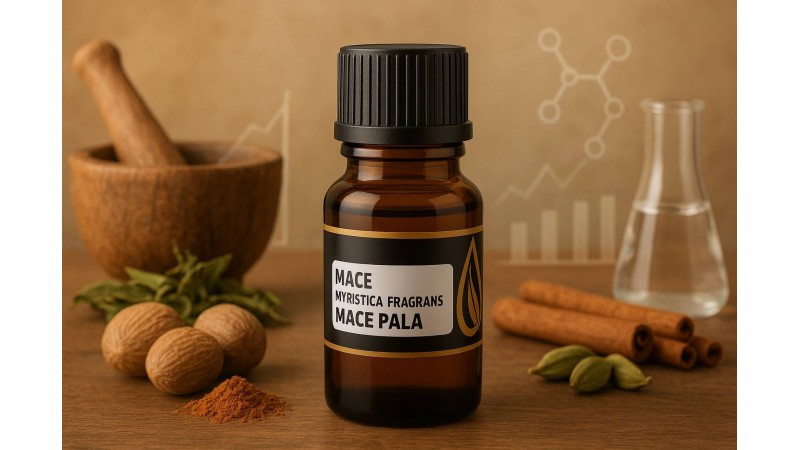
Derived from the seeds of the nutmeg tree (Myristica fragrans), this oil has long been valued not only in the culinary world but also for its healing properties. Today, scientific research validates its traditional uses, making nutmeg essential oil a key player in the growing aromatherapy industry.
The History of Aromatherapy and Nutmeg Oil
Aromatherapy traces its roots to ancient civilizations that utilized plant oils for healing and ritual purposes. In the era of the Maluku spice trade, nutmeg was one of the most sought-after commodities, prized not just for its flavor and aroma but for its medicinal properties as well.
Historically, nutmeg oil was used to:
-
Relieve digestive discomfort
-
Ease joint and muscle pain
-
Boost vitality and stamina
With the rise of modern research, these traditional claims are now backed by science, expanding the applications of nutmeg oil in contemporary wellness practices.
Chemical Composition of Nutmeg Essential Oil
Nutmeg essential oil is packed with bioactive compounds that contribute to its therapeutic potential. The key constituents include:
-
Myristicin – Mild stimulant effects, supports cognitive function
-
Eugenol – Analgesic and antibacterial properties
-
Sabinene – Aids digestive health
-
Pinene – Promotes relaxation and respiratory health
These compounds make nutmeg oil not only aromatic but also highly beneficial for health and well-being.
The Role of Nutmeg Oil in Modern Aromatherapy
In today’s aromatherapy practices, nutmeg essential oil is commonly used for various purposes:
1. Stress Relief and Relaxation
The warm, sweet aroma of nutmeg oil helps calm the nervous system. Studies suggest that inhaling nutmeg oil may reduce cortisol levels, the primary stress hormone, leading to improved relaxation. When blended with oils like lavender or bergamot, the effect becomes even more soothing.
2. Mood and Energy Booster
When used in safe concentrations, nutmeg oil acts as a mild stimulant, helping reduce mental fatigue and improve alertness. For this reason, it is often diffused in workspaces or study areas to enhance focus.
3. Relieving Pain and Muscle Tension
Applied topically (always diluted), nutmeg oil provides a warming sensation that improves blood circulation and alleviates sore muscles. Combining it with oils like ginger or peppermint enhances its effectiveness in massage therapy.
4. Supporting Respiratory Health
Compounds such as pinene in nutmeg oil contribute to clearer airways, making it useful for easing congestion or respiratory discomfort. Diffusing nutmeg oil during colds can provide natural relief.
Blending Tradition and Science
Why does nutmeg oil symbolize the harmony between ancient traditions and modern science?
-
Traditional Wisdom: Used for centuries across Asia, particularly in Indonesia, as a natural remedy for digestive, respiratory, and muscular issues.
-
Scientific Validation: Contemporary research confirms its antioxidant, anti-inflammatory, and analgesic properties.
This synergy highlights why nutmeg essential oil is no longer considered mere folklore but a scientifically recognized therapeutic aid.
How to Use Nutmeg Essential Oil in Aromatherapy
Here are safe and effective ways to incorporate nutmeg oil into your daily routine:
1. Diffuser for Relaxation
Add 3–5 drops of nutmeg oil to a diffuser filled with water. Its warm scent promotes deep relaxation and better sleep quality.
2. Massage Blend for Muscle Relief
Mix 2 drops of nutmeg oil with 1 tablespoon of a carrier oil (such as coconut or almond oil). Apply with gentle massage on sore muscles, neck, or back.
3. Inhalation for Focus
Place 1 drop on a tissue and inhale slowly to improve concentration and reduce mental fatigue.
Safety Tips
While nutmeg essential oil offers numerous benefits, it should be used responsibly:
-
Avoid overuse, as high doses may cause adverse effects.
-
Always dilute before applying to the skin to prevent irritation.
-
Not recommended for pregnant women, infants, or those with allergies without medical consultation.
Conclusion
Nutmeg essential oil is a powerful example of how tradition and science can work hand in hand. Its warm, comforting aroma and versatile health benefits make it a valuable addition to modern aromatherapy practices.
Whether you seek relaxation, improved focus, or relief from tension, nutmeg essential oil stands out as a natural, effective, and scientifically supported option for enhancing your well-being in today’s fast-paced world.


Leave Your Comment