
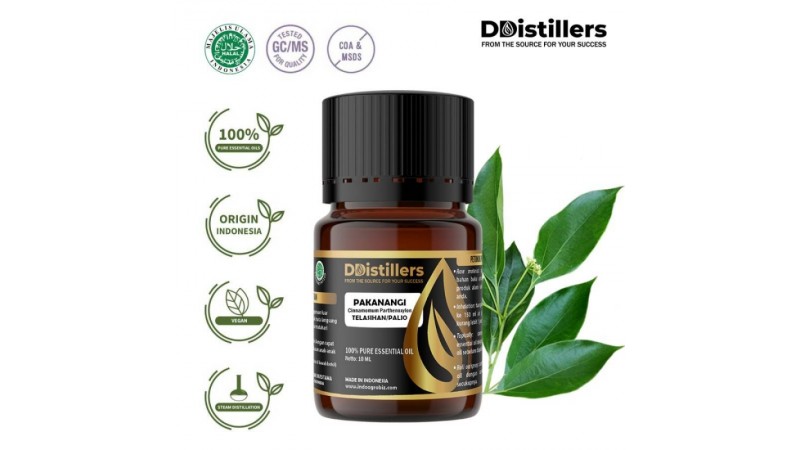

Selasihan essential oil is a valuable natural oil derived from the selasihan plant (Plectranthus amboinicus), widely known in Indonesia for its various uses, ranging from traditional medicine to aromatherapy. Known locally as daun bangun-bangun or daun kalamansi, selasihan leaves contain bioactive compounds with antibacterial, anti-inflammatory, and muscle-relaxing properties. Essential oil extracted from these leaves is increasingly sought after for its diverse benefits.
Indonesia, as a country rich in plant biodiversity, has a long tradition of utilizing medicinal plants and essential oils. Over time, the extraction process of selasihan essential oil has evolved from simple traditional techniques to more advanced modern methods that are more efficient and yield higher quality oil. This article explores the detailed extraction methods of selasihan essential oil in Indonesia, from traditional practices to contemporary technological approaches.
Understanding the Selasihan Plant and Its Essential Oil
Selasihan is a shrub with thick, fleshy leaves that emit a distinctive fresh and slightly spicy aroma. Traditionally, selasihan leaves have been used to treat coughs, colds, digestive issues, and general health ailments. The essential oil obtained from these leaves contains compounds such as carvacrol, thymol, and eugenol, which possess antibacterial, antifungal, and antioxidant effects.
The essential oil of selasihan typically appears yellowish-green and has a sharp, refreshing scent. Due to its multifunctional properties, this oil is widely used in pharmaceutical products, cosmetics, and aromatherapy.
Traditional Extraction Methods of Selasihan Essential Oil in Indonesia
Traditional extraction methods of selasihan essential oil in Indonesia are generally simple and utilize easily accessible equipment. Common traditional techniques include:
1. Simple Steam Distillation
Steam distillation is the most commonly used traditional method. Fresh or dried selasihan leaves are placed in a distillation vessel equipped with a steam source. Steam passes through the plant material, vaporizing the essential oil, which is then condensed and separated from the water to collect the essential oil.
Although straightforward, this method can be time-consuming and often yields a limited amount of oil. The quality of the oil depends heavily on the plant material’s condition and the operator’s skill.
2. Traditional Solvent Extraction
Some communities use natural solvents such as coconut oil or castor oil to extract the oil by soaking the chopped leaves in the carrier oil for several days or weeks. The mixture is then filtered to obtain the infused oil.
While this method is easy to perform, it produces oil with less purity and requires a long extraction period.
3. Manual Crushing and Pressing
This rudimentary method involves manually crushing or grinding the leaves and pressing them to release the liquid containing the essential oil. The liquid is then left to settle so the oil can separate and be collected.
This technique yields very small quantities and the quality of the oil tends to be inconsistent.
Modern Extraction Techniques in Indonesia
With technological advancements and growing demand for high-quality essential oils, the extraction of selasihan essential oil in Indonesia has transitioned to using modern technology. The following are some modern extraction methods currently applied:
1. High-Pressure Steam Distillation
High-pressure steam distillation employs advanced distillation equipment capable of precisely controlling steam temperature and pressure. This allows for faster extraction, improved efficiency, and oil with better quality and preserved active compounds.
Modern apparatuses minimize oil loss during extraction and increase production capacity significantly.
2. Organic Solvent Extraction
This technique uses organic solvents such as ethanol, hexane, or methanol to dissolve essential oils effectively from plant material. After extraction, solvents are evaporated to leave behind pure essential oil.
Although this method produces highly concentrated and pure oils, careful management is essential to ensure no harmful solvent residues remain.
3. Supercritical CO2 Extraction
Supercritical CO2 extraction is the most advanced and environmentally friendly technology for essential oil extraction. Carbon dioxide is used under supercritical conditions (high pressure and temperature) as a solvent to extract oil.
This method yields extremely pure oil with natural aroma and optimal bioactive compound content without chemical solvent residues. However, the equipment and expertise required involve significant investment.
4. Hydrodistillation and Microwave-Assisted Extraction (MAE)
Hydrodistillation is a variant of steam distillation optimized by controlling water flow and temperature. Microwave-assisted extraction (MAE) uses microwave energy to heat plant material, releasing essential oils more rapidly. MAE is energy-efficient and significantly reduces extraction time.
Implementation and Challenges in Indonesia
Indonesia faces several challenges in adopting modern selasihan essential oil extraction methods:
- Limited access to technology: Many traditional producers still rely on manual or semi-modern methods due to financial constraints and limited access to advanced equipment.
- Raw material quality: The quality of selasihan leaves depends on cultivation techniques and environmental conditions, impacting oil yield and quality.
- Skills and knowledge: Training is needed for producers to operate modern extraction equipment effectively.
- Market access and value addition: Product development must be accompanied by marketing strategies to compete in the global market.
Nonetheless, with government support and ongoing research, the prospects for developing selasihan essential oil production in Indonesia are promising.
Conclusion
The extraction process of selasihan essential oil in Indonesia has evolved from simple traditional techniques to sophisticated modern methods that improve both yield and quality. While traditional methods like simple steam distillation and natural solvent soaking remain popular among small-scale producers, modern technologies such as high-pressure steam distillation, organic solvent extraction, and supercritical CO2 extraction are increasingly adopted by larger industries.
Advancing extraction technologies is crucial to enhancing the quality and quantity of selasihan essential oil production and expanding market opportunities. By combining local wisdom with modern technology, Indonesia can strengthen its position as a leading producer of high-quality selasihan essential oil nationally and internationally.


Leave Your Comment