
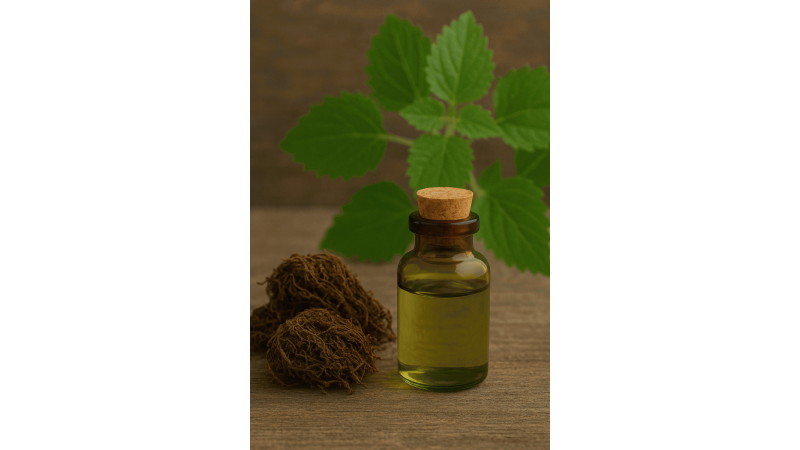

Patchouli oil has long been one of the most valuable essential oils in Indonesia and around the world. Especially patchouli oil from Java, which is renowned for its superior quality and distinctive refreshing aroma. This oil is widely used not only as a primary ingredient in the perfume and cosmetic industries but is increasingly popular as a natural aromatherapy product that offers relaxation and healing effects.
This article will delve deeply into the production process of Javanese patchouli oil and reveal the secrets behind its natural aromatherapy excellence.
What Is Patchouli Oil?
Patchouli oil is an essential oil extracted from the leaves of the patchouli plant (Pogostemon cablin). This plant thrives in tropical regions such as Indonesia, India, and the Philippines, with Indonesia—particularly the island of Java—being one of the world’s best producers of patchouli oil. Patchouli oil has a distinctive strong aroma, usually earthy, woody, and slightly sweet, making it highly sought after in various aromatherapy and perfume products.
History of Patchouli Oil in Java
The cultivation of the patchouli plant in Java has been ongoing for centuries. The people of Java have utilized this plant not only as an economic commodity but also as part of traditional medicine and spiritual rituals. Patchouli has become an integral part of daily life, especially in producing regions such as Central and East Java.
Stages of the Patchouli Oil Production Process in Java
The production process of patchouli oil in Java combines traditional and modern techniques to maintain optimal oil quality. The main stages of patchouli oil production include:
1. Selection and Planting of Patchouli Seedlings
Choosing superior patchouli seedlings is a crucial initial step. Farmers select healthy seedlings with high growth potential to maximize leaf harvest. Patchouli plants are typically grown in fertile soil with good drainage and adequate sunlight.
2. Caring for Patchouli Plants
Patchouli plants require intensive care, including regular watering, fertilizing, and natural pest control. This maintenance is vital to ensure fresh leaves rich in essential oils ready for extraction.
3. Harvesting Patchouli Leaves
Leaves are harvested at their ideal age, usually between 3 to 4 months after planting. Selective harvesting aims to obtain leaves with the highest oil content. Timely harvesting produces patchouli oil with the best quality and aroma.
4. Drying Patchouli Leaves
After harvesting, patchouli leaves are dried naturally in shaded areas or using mechanical dryers to reduce moisture content. Proper drying is essential to prevent decay and preserve oil content during storage.
5. Steam Distillation Process
The dried patchouli leaves are then distilled using steam distillation. This process involves heating the leaves with steam, causing the essential oils to vaporize with the steam and then condense into a liquid containing both oil and water.
The patchouli oil naturally separates from the water and is collected for further processing. Precise control of temperature and distillation time is critical to maintaining oil quality and aroma.
6. Filtration and Storage
The distilled patchouli oil is filtered to remove impurities and leaf particles. It is then stored in tightly sealed containers, usually dark glass bottles, to protect the oil from light and air exposure that can degrade quality.
The Secret to the Natural Aromatherapy of Javanese Patchouli Oil
Javanese patchouli oil is known for its strong, fresh, and long-lasting aroma. The secret behind this natural aromatherapy excellence lies in several important factors throughout the production process:
- High-Quality Seedlings and Soil: Superior seedlings and fertile soil in Java provide a high essential oil content and unique aroma.
- Timely Harvesting: Harvesting leaves at the optimal age ensures maximum oil concentration.
- Precise Steam Distillation: Careful control of distillation temperature and duration influences the oil’s chemical composition and aroma stability.
- Proper Packaging: Storing oil under optimal conditions maintains aroma freshness and prevents oxidation.
Benefits of Javanese Patchouli Oil Aromatherapy
Javanese patchouli oil is not only used as a natural fragrance but also offers many sought-after aromatherapy benefits, including:
- Reducing Stress and Anxiety: The oil’s scent helps calm the mind and reduce tension.
- Improving Sleep Quality: Using patchouli oil before bedtime helps combat insomnia and enhances sleep quality.
- Enhancing Concentration and Mood: Its refreshing aroma helps increase focus and foster a positive mood.
- Natural Skin Care: Patchouli oil has antiseptic and anti-inflammatory properties beneficial for treating acne and mild skin irritations.
- Natural Insect Repellent: Its aroma effectively repels mosquitoes and other insects without harmful chemicals.
Development and Innovation of Javanese Patchouli Oil Products
With growing global demand for natural and organic products, Javanese patchouli oil has seen the development of various derivative products, such as:
- Natural perfumes and scented oils
- Herbal soaps and skincare products
- Aromatherapy candles and diffusers
- Spa and relaxation products
These innovations not only increase the economic value of patchouli oil but also expand its market reach both domestically and internationally.
Challenges in Javanese Patchouli Oil Production
Despite its many advantages, patchouli oil production in Java faces several challenges, including:
- Climate Change: Unpredictable weather affects plant growth and harvest yields.
- Pest and Disease Control: Using natural pesticides and environmentally friendly methods is necessary to maintain plant quality.
- Standardization and Certification: To compete internationally, strict quality standards and certifications are required.
- Market Competition: Producers must continuously innovate and improve quality to face competition from other producing countries.
Conclusion
The production process of Javanese patchouli oil combines tradition and technology to produce high-quality essential oil with a distinctive aroma and natural aromatherapy benefits. From seedling selection to steam distillation, each stage is carefully managed to preserve the quality and authenticity of the oil.
Javanese patchouli oil not only provides calming and refreshing aromatherapy benefits but also plays an important role in improving the welfare of farmers and essential oil industry players. By continuing innovation and maintaining quality standards, Javanese patchouli oil is well-positioned to compete in the global market as a treasured secret of natural aromatherapy.


Leave Your Comment