
-1L-SS-500x500.png)
A.
Respiratory System Support
- Mucus
Clearance (Expectorant):
Cineole may contribute to enhanced elasticity and clearance of mucus, providing subjective relief in conditions like colds and nasal congestion. - Upper
Respiratory Symptom Relief:
Traditional ethnobotanical use supports inhalation for easing mild upper respiratory symptoms such as cough and congestion.
B.
Anti-Inflammatory & Analgesic Potential
- Anti-Inflammatory
Response:
Compounds like cineole may reduce inflammatory markers in vitro, suggesting potential use in mild inflammatory conditions when appropriately diluted. - Topical
Pain Modulation:
Some studies and traditional accounts associate Melaleuca oils with support for localized discomfort relief.
C.
Antimicrobial Activity
- Bacterial
and Fungal Effects:
Volatile compounds such as cineole and α-terpineol demonstrate in vitro inhibitory activity against selected microbes, aligning with traditional antiseptic uses. - Viral
Modulation (Preliminary):
Early research suggests possible molecular interactions with viral proteins, though clinical application requires validation.
D.
Aromatherapeutic Effects (Psychological/Neurological)
- Relaxation
and Mental Balance:
Aromatic profiles of cineole-rich oils are associated with subjective relaxation and mild stress relief in aromatherapy settings, though robust clinical evidence is limited.
IMPORTANT
NOTES
•
Much of the evidence presented above is based on in vitro,
preclinical, or traditional uses; strong clinical evidence in humans
remains limited and under investigation.
•
The information reflects general scientifically documented properties of Melaleuca
/ cineole-rich essential oils relevant to pharmacognosy and traditional use;
specific clinical data on Melaleuca viridiflora remain to be further
established.
LINK
REFERENCES:
[1]https://e-journal.politanisamarinda.ac.id/index.php/jurnalloupe/article/view/255
[2]https://media.neliti.com/media/publications/381911-none-1af6bd07.pdf
[3]https://ejurnal.politanikoe.ac.id/index.php/psnp/article/view/259/194
[5]https://www.aciar.gov.au/sites/default/files/2022-06/ACIAR_~2.PDF
[6]https://www.natureinbottle.com/product/cajeput_essential_oil
[7]http://litbang.kemenperin.go.id/biopropal/article/view/6509
A.
Biochemical and Pharmacological Support (Preclinical/Laboratory)
- Antimicrobial
Activity:
Essential oils from Melaleuca species have demonstrated antimicrobial effects against a range of microorganisms. These effects are attributed primarily to components such as 1,8-cineole and α-terpineol, which exhibit inhibitory action against bacterial and fungal cells in in vitro studies. - Expectorant
& Respiratory Support:
1,8-cineole is recognized for its potential to facilitate mucociliary clearance and may help soothe mucus buildup in airways, contributing to relief from respiratory discomfort. - Anti-Inflammatory
Properties:
Terpenoid compounds such as 1,8-cineole have shown anti-inflammatory activity in laboratory settings, supporting many traditional uses of the oil in conditions involving inflammatory responses. - Analgesic
and Muscle Relaxant Effects (Preclinical):
Traditional applications of cajuput and Melaleuca oils include topical use for muscle and joint discomfort, potentially due to combined anti-inflammatory and muscle-relaxing properties seen in bioactive constituents.
B.
Traditional and Herbal Applications (Supported by References)
Note:
While complete clinical studies specific to M. viridiflora are limited,
biochemical profiles resemble those of cajuput/niaouli and other cineole-rich Melaleuca
oils.
- Aromatherapeutic
Respiratory Support:
Historically, cajuput oil is inhaled to support respiratory function, aiding in relief from coughs and nasal congestion — consistent with known expectorant effects of cineole. - Topical
Relief for Mild Aches:
Diluted topical application has been traditionally used in massage blends for mild muscle and joint discomfort, supporting relaxation and localized relief. - Calming
Aromas:
Aromatic use can produce a soothing sensory experience, promoting relaxation and stress reduction. - Gentle
Antiseptic Use:
The oil’s antimicrobial profile suggests potential inclusion in topical formulations for minor skin cleansing, although more formal clinical evidence is needed.
C.
Key Bioactive Constituents
- 1,8-Cineole
(Eucalyptol):
A dominant constituent in many Melaleuca oils linked to anti-inflammatory, expectorant, and antimicrobial properties. - α-Terpineol
and Other Constituents:
Minor terpenoids such as α-terpineol may provide muscle-soothing and mild antimicrobial effects.
Formulation
1 — Aromatherapy Diffuser Blend (Personal / Home Use)
Purpose:
To provide an aromatherapeutic formula that supports respiratory ease,
relaxation, and a pleasant room ambiance.
Ingredients:
• Cajuput Papua Essential Oil (Melaleuca viridiflora) — 10–15 drops
• Clean water — 100–150 mL
• (Optional) Complementary essential oils such as Eucalyptus,
Peppermint, or Lavender to enhance aromatherapeutic effects.
(Note:
Essential oils are typically used at low concentrations to minimize sensory
irritation and allergic reactions.)
Preparation:
- Fill
the diffuser reservoir with clean water according to the manufacturer’s
instructions.
- Add
10–15 drops of cajuput essential oil to the water.
- Switch
on the diffuser and operate as recommended.
Usage
Instructions:
• Use for 15–30 minutes per session, 1–2 times per day.
• Adjust the number of drops depending on room size and individual scent
sensitivity.
• Avoid continuous use without proper ventilation.
Safety
& Testing:
• Test the blend in a small space first to observe any sensitivity, especially
for children, the elderly, or individuals with asthma.
• Discontinue if respiratory irritation, coughing, or headaches occur.
• Store essential oils in dark glass bottles away from sunlight and high
heat to maintain stability.
Formulation
2 — Aromatherapy Roll-On (Mild Topical)
Purpose:
A portable topical application for mild muscle relaxation, stress relief, or
personal aromatherapy on the go.
Ingredients:
• Cajuput Papua Essential Oil — 5–10 drops
• Carrier oil (e.g., sweet almond, jojoba, or fractionated coconut oil) — 10
mL
• 10 mL roll-on bottle
Preparation:
- Place
5–10 drops of cajuput EO into an empty roll-on bottle.
- Fill
with carrier oil (~10 mL).
- Gently
shake to blend thoroughly.
How
to Apply:
• Roll onto pulse points such as wrists, back of the neck, or shoulders.
• Apply 1–2 times daily or as needed.
Safety
& Testing:
• Perform a patch test on the inner forearm 24–48 hours before full use
to check for skin irritation.
• Avoid application near eyes, open wounds, or highly sensitive skin.
• Discontinue use if redness or irritation occurs.
• Ensure essential oil concentration remains safe for topical use — typical
topical dilutions range between 1–3% in homemade products.
Formulation
3 — Essential Oil Hand Sanitizer Gel (Natural Care)
Purpose:
To formulate a mild hand sanitizer incorporating essential oils with natural
antibacterial attributes.
Ingredients:
• Gelling agent (e.g., Carbopol 980)
• Glycerin / Propylene glycol (humectant)
• Cajuput Papua Essential Oil — 10–15 drops (or according to safe EO
standards)
• Sterile or demineralized water
• (Optional) Natural preservative (e.g., diazolidinyl urea, sorbate) as
needed for stability.
Basic
Preparation Concept:
- Hydrate
the gelling agent in warm water to form the base gel.
- Add
glycerin/propylene glycol to moisturize the skin.
- When
the mixture has cooled to below ~40°C, add 10–15 drops of cajuput EO and
blend until uniform.
- Adjust
the formulation to a skin-compatible pH (~5–6).
- Fill
into pump or spray bottles.
Usage:
• Dispense a small amount into hands, rub until dry without rinsing.
• Use when hand cleansing is needed after public exposure.
Safety
& Evaluation:
• Conduct sensory and stability evaluations (color, odor, consistency).
• Minimize direct contact of undiluted essential oils with skin to reduce
irritation risk.
Formulation
4 — Topical Lotion or Cream (Moisturizing + Aromatherapy)
Purpose:
To produce a lotion with aromatic richness that also provides skin hydration
and gentle aromatherapeutic benefits.
Ingredients:
• Oil phase: emulsifiers, plant-derived carrier oils
• Water phase: purified water, humectants like glycerin
• Emulsifier system (e.g., stearic acid + TEA)
• Cajuput Papua Essential Oil — 0.5–1% v/v in the final cream in
accordance with cosmetic formulation guidelines.
Preparation
(Summary):
- Heat
the oil phase and water phase separately to ~70–75°C.
- Blend
both phases under agitation to form an emulsion.
- When
the mixture cools below ~40°C, add the essential oil to preserve volatile
components.
- Stir
until homogeneous then cool and package.
Application:
• Apply a thin layer to the body 1–2 times daily.
• Enjoy gentle hydration and aromatherapeutic scent.
Safety
& Testing:
• Perform a patch skin test prior to regular use.
• Assess pH, stability, and spreadability according to cosmetic industry
standards.
FINAL
SAFETY & QUALITY CHECKS (GENERAL)
Physical
Stability Testing:
Observe color, scent, consistency, and phase separation.
Organoleptic
Evaluation:
Use sensory panel assessment for fragrance and texture quality.
pH
& Patch Testing:
Topical products should be pH-tested to ensure skin compatibility (typically pH
4.5–6.5).
Perform a patch test before extended use to detect allergic responses.
Storage:
Store finished products in sealed, dark, cool conditions to prevent
oxidation or alteration of volatile notes.
Halal
Certificate: 33110034666001125
Export
Documentation Available
- Certificate
of Analysis (COA)
- Material
Safety Data Sheet (MSDS)
- Phytosanitary Certificate
- CITES
permit (required for international trade)
- Cajuput Papua Essential Oil is not a medicine and is not intended to diagnose, treat, cure, or prevent any disease.
- This information is provided for educational and aromatherapy purposes only and does not constitute medical advice.
- Therapeutic uses of this oil have not been clinically tested in humans.
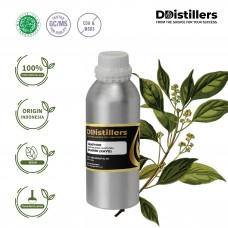
CAJUPUT
PAPUA ESSENTIAL OIL / MINYAK ATSIRI KAYU PUTIH PAPUA By DDISTILLERS
Brand:
DDistillers
INCI name: Melaleuca viridiflora Leaf Oil
Product category: Single Essential Oil, Purity: 100%
HS Code: 33019090
CAS #: 132940-73-9
FEMA #: 2225
Extraction method: Steam Distillation
PRODUCT
DESCRIPTION
Cajuput
Papua Essential Oil is a botanical essential oil obtained from the leaves and
young twigs of Melaleuca viridiflora through steam distillation, a
standard technique for extracting volatile oils that preserves the integrity of
aromatic and bioactive compounds from the fresh plant material. The steam
distillation process involves directing hot steam through the plant matrix so
that its volatile constituents vaporize, then condensing and separating them to
yield a transparent essential oil.
Organoleptically,
Melaleuca viridiflora essential oil appears as a clear to very pale
yellow liquid with a light, free-flowing consistency. The colorless or nearly
transparent appearance is characteristic of leaf-derived essential oils
extracted by steam distillation. The aroma is fresh, clean, and camphoraceous
(reflecting camphor and eucalyptol notes), with an aromatic profile reminiscent
of classic eucalyptus/cajuput or niaouli oils typical of Melaleuca
species rich in volatile monoterpenes and sesquiterpenes. This aromatic profile
is frequently described in literature as “eucalyptus-like, camphoraceous, with
slight menthol nuances” due to the dominance of specific volatile components
that shape its primary scent.
From
a chemical perspective, M. viridiflora essential oil is known to present
several chemotypes (distinct chemical profiles), meaning that its constituent
composition can vary substantially depending on genetic factors and
environmental growing conditions. One chemotype described in scientific reports
is dominated by compounds such as 1,8-cineole (eucalyptol), limonene, α-pinene,
and viridiflorol, along with minor constituents like terpinen-4-ol and
β-caryophyllene. Chemical composition variability has been observed across
geographically distinct populations of M. viridiflora, including
chemotypes featuring phenylpropanoids such as methyl cinnamate in certain
variants.
The
monoterpene and sesquiterpene profiles are responsible for the characteristic
organoleptic qualities: 1,8-cineole (eucalyptol) provides a fresh, cool, and
slightly sharp note commonly associated with eucalyptus/niaouli oils, while
α-pinene contributes herbal freshness and viridiflorol adds subtle woody
nuances, resulting in the clean and fresh “tropical paperbark oil” profile
common to Melaleuca chemotypes.
Technically,
oils obtained via steam distillation are typically analyzed using Gas
Chromatography–Mass Spectrometry (GC-MS) to determine chemical profiles and
relative component percentages. GC-MS is widely utilized in essential oil
research and characterization within the Myrtaceae family, including Melaleuca
species, enabling identification of dozens of volatile compounds that often
comprise over 90% of the total oil — essential for product quality and
organoleptic specification.
Overall,
the descriptive profile of Cajuput Papua Essential Oil extracted from M.
viridiflora positions this product as a high-quality aromatic essential oil
with colorless to pale yellow appearance, light liquid consistency, and a fresh
camphoraceous aroma reflective of its dominant monoterpene and sesquiterpene
chemistries. This profile is influenced by local chemotype patterns and plant
growing conditions, with steam distillation as the preferred extraction method
to maintain the integrity of volatile compounds.
BOTANICAL
& MORPHOLOGY
Melaleuca
viridiflora Sol. ex Gaertn. is a flowering plant
species in the Myrtaceae family, commonly known as the broad-leaved paperbark,
paperbark tea tree, or botanically as the broadleaf paperbark tree. This
species belongs to the genus Melaleuca, which comprises hundreds of
members distributed across tropical and subtropical regions, primarily in
Australia and surrounding areas. M. viridiflora occurs naturally in
monsoonal climates of northern Australia, as well as southern parts of Papua
and Papua New Guinea, thriving in woodlands, swamps, and riverine margins with
soils ranging from sandy to loamy and subject to seasonal inundation.
Taxonomy and Scientific Etymology
- Kingdom: Plantae
- Order: Myrtales
- Family: Myrtaceae
- Genus: Melaleuca
- Species: M. viridiflora
The
genus name Melaleuca comes from Greek melas (black) and leukos
(white), referring to contrasting bark colors seen in some species; the
specific epithet viridiflora means “green-flowered,” derived from Latin viridis
(green) and flora (flower), referencing the typical green-cream or
yellowish-green flowers.
Morphological
Description
Plant
Habit:
- Melaleuca viridiflora typically grows as a small tree to large shrub with an open canopy, generally 3–10 m tall under average conditions, and potentially taller when environmental conditions are favourable. The trunk often branches and has thin, fibrous, papery bark ranging in colour from grey to cream, peeling in thin layers as the tree matures.
Leaves:
- Leaves of M. viridiflora are simple, aromatic when crushed (due to characteristic oil glands of Myrtaceae), broadly elliptic to oval, relatively thick, with smooth surfaces and dark green colouration. Each leaf exhibits 5–7 longitudinal veins, measuring approximately 7–19 cm in length and 2.5–5.5 cm in width. New growth may show fine hairs (pubescence) on young shoots.
Flowers
& Inflorescences:
- Flowers are arranged in compact spikes at the ends of branches, typically measuring 5–10 cm in length and 4–6 cm in diameter, with many small flowers clustered together. Flower colours range from cream/green to occasionally pinkish hues, with flowering often occurring throughout the year but most conspicuously during cooler seasons.
Fruit
& Seeds:
- Following blooming, the species produces small woody capsule fruits distributed along the stems. These capsules, a few millimetres in diameter, contain numerous small brown seeds that are released as the capsules open, particularly through environmental changes.
Habitat
& Distribution:
- Ecologically, Melaleuca viridiflora thrives in tropical environments with distinct wet seasons, especially in northern Australia, Papua New Guinea, and southern Papua, Indonesia. It is commonly found along forest edges, swamps, and lowland areas with high soil moisture, tolerating a wide range of soil types from sandy to heavy clay, provided sufficient water is available during certain seasons.
HISTORY
AND TRADITIONAL USE
The
history of Cajuput Papua Essential Oil is deeply rooted in the traditional use
of indigenous peoples across the tropical regions of Southeast Asia and
Australia. Cajuput essential oil is generally obtained by steam distillation of
the leaves and twigs of Melaleuca plants, including Melaleuca
viridiflora in Papua as well as other species such as M. cajuputi
and M. leucadendra which are distributed throughout Southeast Asia and
Australia. The term “cajuput” derives from the Malay phrase kayu putih,
meaning “white wood” or “white-barked wood,” referencing the distinctive bark
of many Melaleuca species. This nomenclature is also reflected in the
international essential oil trade as “cajeput oil” or “cajuput oil,” widely
recognized in botanical and aromatherapeutic literature.
Historically,
the use of Melaleuca plants by indigenous cultures predates Western
scientific documentation by centuries. Ethnobotanical records indicate that
Aboriginal Australians utilized the leaves and other plant parts of Melaleuca
viridiflora for medicinal and daily life purposes. Leaves were brewed into
infusions (herbal teas), inhaled as vapors, or used in steam baths to alleviate
coughs, colds, flu symptoms, headaches, fever, and respiratory disturbances — a
practice rooted in ancestral traditions across Arnhem Land and tropical
Northern Australia. Additionally, bark and other plant materials were employed
for non-medicinal purposes such as thatching, containers, and everyday tools.
In
the context of essential oils, this traditional utilization of Melaleuca
leaves for health purposes extends across its geographic range, including
communities in Papua New Guinea and southern Papua where M. viridiflora
grows naturally. Scientific interest in these practices emerged as researchers
and pharmaceutical experts began studying the chemical properties and
therapeutic applications of the oils produced. Although commercial production
of cajuput oil is predominantly derived from species like M. cajuputi in
Southeast Asia (including Indonesia), the fundamental principles of its use
follow the broad traditional applications of the botanical species.
The
scientific naming and taxonomy of the oil-bearing plant also have a long
history. Botanical scholars such as Joseph Gaertner and Daniel Solander
formally described species like M. viridiflora in the 18th century,
enhancing scientific understanding of tropical flora that indigenous peoples
long recognized as “paperbark” trees. As taxonomic and ethnobotanical research
expanded, scientists mapped diverse chemotypes of Melaleuca populations,
revealing chemical profile variations influenced by geographic location and
genetics — factors that shape the distinct characteristics of cajuput oil from
regions such as Papua.
Over
time, cajuput oil transitioned from indigenous medicinal use to broader
regional trade. The designation “cajuput oil” in Western literature describes
the extraction process and its application as an essential oil with a
characteristic camphoraceous aroma, traditionally used in remedies such as
liniments, balms, and inhalants to soothe respiratory symptoms and muscular
discomfort. In many parts of Asia, the oil has also been valued as a topical
liniment and inhalant, passed down through generations for general wellbeing.
In modern times, Melaleuca essential oils including cajuput have attracted attention from the aromatherapy community and scientific research circles. Although clinical evidence regarding definitive therapeutic efficacy continues to develop, numerous traditional and pharmacological studies support the activity of compounds such as 1,8-cineole (eucalyptol) — a focus of modern research for potential benefits in respiratory relief and microbial modulation.
VISIT OUR MARKETPLACE:



| Specification | |
|---|---|
| Source of Material | Raw material source: Young leaves and twigs of Melaleuca viridiflora. Origin: Papua - Indonesian |
| Cultivation | Leaves and twig materials of the paperbark tree are harvested and cultivated to support sustainability. |
| Main Content | 1,8-cineole (eucalyptol), α-pinene, d-limonene, viridiflorol, α-terpineol. |
| Organoleptik |
|
| Solubility | Soluble in alcohol and fixed oils; insoluble in water. |
| Level of note | Top note |
| Blend well | Sweet Almond Oil, Fractionated Coconut Oil, Jojoba Oil, lotion/emulsi, balm, cream, diffuser blends, Lemon, Orange, Bergamot, Peppermint, Rosemary, Spearmint, Tea Tree, Lavender, Geranium, Cedarwood, Sandalwood |
| Downstream product application | Aromatherapy, Natural Perfumery, Toiletries, Natural Cosmetics, Herbal Pharmacy, Body/Skin Care, Personal Care, Home Care, dan produk turunan lainnya. |
| Shelf Life | 5 years |
| Storage instructions |
|
| Allergies and general precautions |
|
Related Products
-228x228.jpg)
-228x228.jpg)
-228x228.jpg)
-228x228.jpg)
-228x228.png)
1LSS-228x228.png)
-1L-SS-228x228.png)


