USES AND BENEFITS
As a carrier oil in
aromatherapy
·
Dilutes essential oils and enhances skin
penetration.
·
Reduces the risk of irritation from pure
essential oils.
·
Stable against oxidation when stored
properly.
Cosmetics and skincare
·
Provides emollient effect and moisturises
the skin.
·
Maintains softness and strengthens the
skin barrier.
Pharmaceutical and
hygiene products
·
As a base for ointments, lotions, soaps,
and oil-pulling products for oral health.
Light chemical industry
·
Raw material for natural surfactants
(e.g., sodium lauryl sulfate from lauric acid).
FORMULATION IDEAS
1. Coconut
Moisturising Lotion
Based on Universitas Padjadjaran research (2020)
Purpose: Moisturises the skin, maintains softness, suitable for daily use.
Ingredients:
·
6 tbsp pure coconut oil (coconut oil /
VCO)
·
½ tbsp glyceryl monostearate (cream base)
·
½ tbsp stearic acid (thickener and
stabiliser)
·
½ tsp cetyl alcohol (provides smooth
texture)
·
¼ tsp Tween 80 (emulsifier)
·
¼ tsp Span 80 (emulsifier)
·
½ tsp lavender essential oil (aroma and
calming effect)
·
Sufficient boiled or distilled water
Method:
1. Heat
coconut oil with glyceryl monostearate, stearic acid, and cetyl alcohol until
melted.
2. In
a separate container, heat water with Tween 80 and Span 80.
3. Combine
both mixtures while stirring slowly until it forms a cream.
4. Add
lavender essential oil when slightly cooled, stir well.
5. Store
in a clean, airtight container.
2. Herbal
Anti-Inflammatory Balm
Based on analgesic balm formulation research (IJPRA Journal, 2021)
Purpose: Relieves mild muscle aches, softens skin.
Ingredients:
·
5 tbsp pure coconut oil
·
2 tbsp beeswax
·
½ tsp liquid vitamin E (natural
antioxidant)
·
5–10 drops peppermint or rosemary
essential oil (cooling effect & aroma)
Method:
1. Melt
coconut oil and beeswax over very low heat.
2. Remove
from heat, then add vitamin E and essential oil.
3. Stir
until well blended, pour into small containers.
4. Allow
to harden at room temperature before use.
3. Natural
Lip Balm
Based on herbal skincare study (2023)
Purpose: Moisturises and protects lips from dryness or chapping.
Ingredients:
·
1 tbsp coconut oil
·
1 tbsp shea butter or cocoa butter
·
1 tbsp beeswax
·
3–5 drops sweet orange or peppermint
essential oil (optional)
Method:
1. Melt
coconut oil, shea butter, and beeswax in a small pan or double boiler.
2. Once
melted, remove from heat and add essential oil (if used).
3. Stir
well, pour into small lip balm containers.
4. Allow
to harden before use.
THERAPEUTIC BENEFITS
Antibacterial
·
Inhibits Staphylococcus aureus and oral
pathogens (P. gingivalis, T. socranskii).
·
Enhances phagocytic activity of immune
cells.
Antifungal
·
Inhibits the growth of Candida albicans,
Aspergillus niger, and A. flavus.
Anti-inflammatory and
analgesic
·
Reduces inflammation and pain
(demonstrated in animal and in vitro studies).
Wound healing and skin
protection
·
Stimulates collagen production.
·
Improves skin hydration and repairs the
skin barrier.
·
Effective for mild to moderate xerosis and
atopic dermatitis.
Antioxidant
·
Polyphenols and vitamin E help protect
cells from oxidative stress.
·
May help slow premature skin ageing.
Metabolic and cognitive
support (preliminary evidence)
·
MCTs provide a quick energy source.
·
Potential to support brain function and
reduce peripheral neuropathy symptoms in certain conditions.
Oral health (oil pulling)
·
Reduces dental plaque.
·
Inhibits bacteria causing tooth decay.
Supports a balanced oral microbiota.
Not a medicinal product. Not intended to replace professional diagnosis or medical treatment. Individual results may vary.
Halal Certificate: 15240067741220
Export Documentation Available
- Certificate of Analysis (COA)
- Material Safety Data Sheet (MSDS)
- Phytosanitary Certificate
- Halal Certificate
- CITES permit (required for
international trade)
SCIENTIFIC REFERENCES:
11. Virgin Coconut Oil: Emerging Functional Food Oil
2. Coconut
Oil – Chemistry, Technology and Applications (CFTRI)
4. Health
Effects of Coconut Oil – Review
6. Coconut
Oil Applications in Food and Cosmetics
7. Coconut
Oil – ScienceDirect Topics
8. Comparative
Analysis of Coconut and Palm Kernel Oils
10. Lauric
Acid and Its Applications
11. Virgin
Coconut Oil Quality and Standards
12. Medium-Chain
Triglycerides and Health
13. Coconut
Oil and Dental Health – Springer
14. Health
Benefits of Virgin Coconut Oil
15. Cold-Pressed
Virgin Coconut Oil – Health Benefits
16. Formulation
of Virgin Coconut Oil Cream for Atopic Dermatitis
17. Virgin
Coconut Oil and Antimicrobial Activity
18. Formulation
and Characteristics of Anti-Inflammatory Pain Balm
19. Herbal
Skincare Formulation: Testing and Analysis
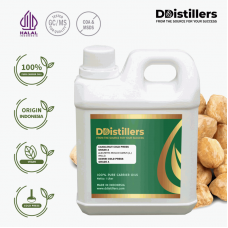
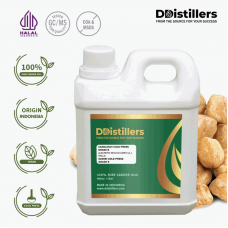
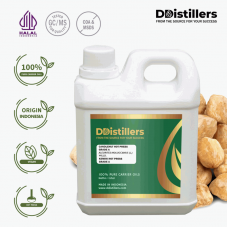
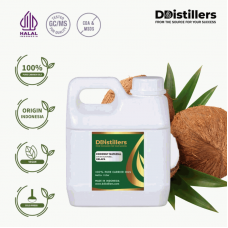
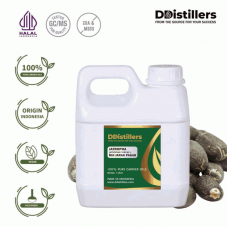
COCONUT NATURAL CARRIER OIL By DDISTILLERS
INCI name: Cocos nucifera L. (Coconut) Oil
Product category: Single carrier oil, purity: 100%
Product code: BB00611-NCO
Barcode: –
HS Code: 15131110
CAS No.: 8001-31-8
FEMA No.: –
Extraction method: Cold pressing
PRODUCT DESCRIPTION
Coconut Natural Carrier Oil is pure coconut oil obtained from the dried meat of
the coconut (Cocos nucifera L., copra) through a cold-pressing method. This
low-temperature process preserves its natural content, such as vitamin E,
healthy fatty acids, and antioxidants, maintaining quality without the addition
of chemicals.
The oil has a clear to
pale yellow colour, a mild natural coconut aroma, and a light texture that
absorbs easily into the skin without leaving a greasy residue.
Composition and
Physicochemical Properties
·
Very high medium-chain saturated fatty
acid (MCSFA) content: around 93%, predominantly lauric acid and myristic acid.
·
Lauric acid specifically accounts for
45–56% of total fatty acids.
·
Crude coconut oil (copra) contains 60–65%
oil by weight of the dried kernel.
BOTANY AND MORPHOLOGY:
Cocos nucifera L.
Fruit structure (drupe)
·
Exocarp – outermost thin layer (~0.1 mm)
·
Mesocarp – thick fibrous layer (1–5 cm)
serving as husk/coir
·
Endocarp – hard shell (3–6 mm) protecting
the seed
Endosperm and embryo
After the endocarp lies the testa (thin seed coat) and solid endosperm (coconut
meat) with a thickness of 0.8–2.0 cm, weighing between 98–553 g. Inside is
liquid endosperm (coconut water): 21–449 g.
Tree anatomy
·
Tree height up to 30 m, pinnate leaves 4–6
m long; old leaves detach cleanly, leaving a smooth trunk
·
Roots are fibrous/adventitious, thousands
of roots about 1 cm in diameter, most growing near the surface
Fruit development and
yield
Begins fruiting at 6–10
years of age, peak production several years later; one tree can produce fewer
than 30 up to 75 fruits/year depending on conditions.
HISTORY OF COCONUT
CARRIER OIL & ITS USES
·
Coconut oil has been used for centuries in
tropical regions as cooking oil, in cosmetics, and in traditional medicine.
·
Copra (dried coconut kernel) has
traditionally been used as a raw material for industrial oil extraction,
including soap, cosmetics, and chemical industries.
· The terms “crude coconut oil” and “virgin coconut oil” have been defined by APCC (2009): crude = from dried kernel; virgin = from fresh kernel processed mechanically without altering the oil’s properties.
VISIT OUR MARKETPLACE:



| Specification | |
|---|---|
| Source of Material | Source Material: Dried coconut kernel / copra Origin: Indonesian |
| Cultivation | Conventionally harvested and
periodically replanted to ensure sustainability |
| Main Content | Lauric acid, myristic acid, palmitic acid |
| Organoleptik |
|
| Solubility | Soluble in cosmetic esters and oils; insoluble in water |
| Blend well | Blends well with essential oils and other carrier oils |
| Downstream product application | Cosmetics and Personal Care Formulation |
| Shelf Life | 2 years |
| Storage instructions | Storage Guidelines:
|
| Allergies and general precautions | Allergen &
Precautionary Notes:
|
Related Products